About Me
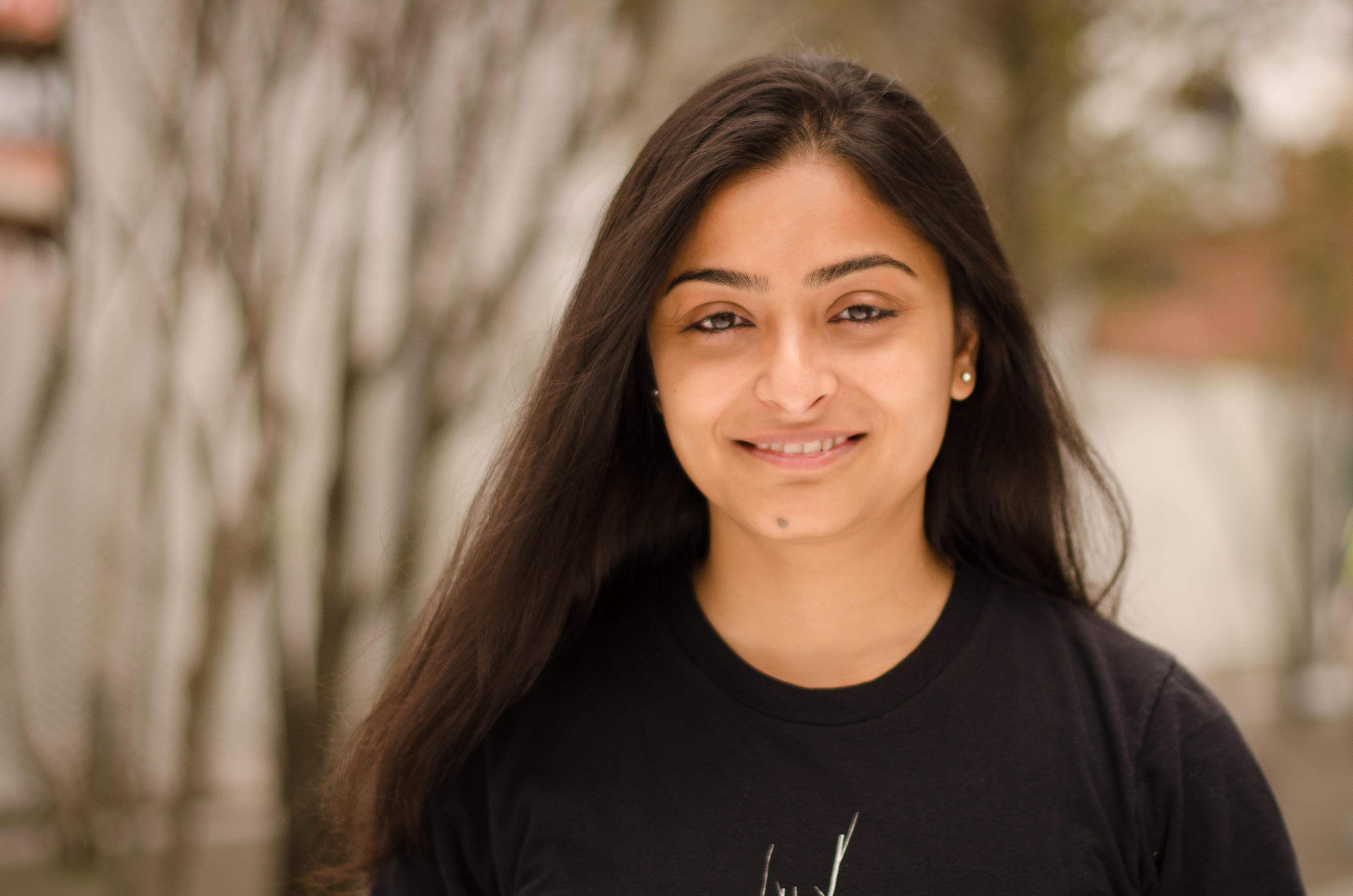
Hello!
My name is Rajyashree, a.k.a. Rai (pronounced 'rye', like the bread).
I am a postdoctoral research scientist in the lab of Nobel Laureate
Dr. Richard Axel
at Columbia University. I also collaborate with theorists Dr. Stefano Fusi and Dr. Larry Abbott. I study
cognitive maps - internal representations of relational structure in the world. My current research explores
how the frontal cortex represents relational structure in physical space, allowing animals to extrapolate
from explored to unexplored regions of the environment (for example, when taking shortcuts
or planning routes through previously unvisited regions). Extending this framework to the domain of social cognition,
I also examine how neural circuits represent individual identity alongside relational structure in social hierarchies,
and how animals generalize and predict the behavior of unfamiliar individuals based on prior experience
with similar ones. In the long run, I am interested in how animals flexibly switch between discrimination and generalization
to guide adaptive behavior.
I was born and raised in India. I completed my Bachelor's in Microbiology at St. Xavier's
College Kolkata, and my Master's in Biotechnology at the University of Hyderabad. I earned my
PhD in the lab of Dr.
Barry Dickson , initially at the Research Institute of Molecular Pathology in
Austria and later at Janelia Research Campus in the US, when the Dickson lab relocated. As a
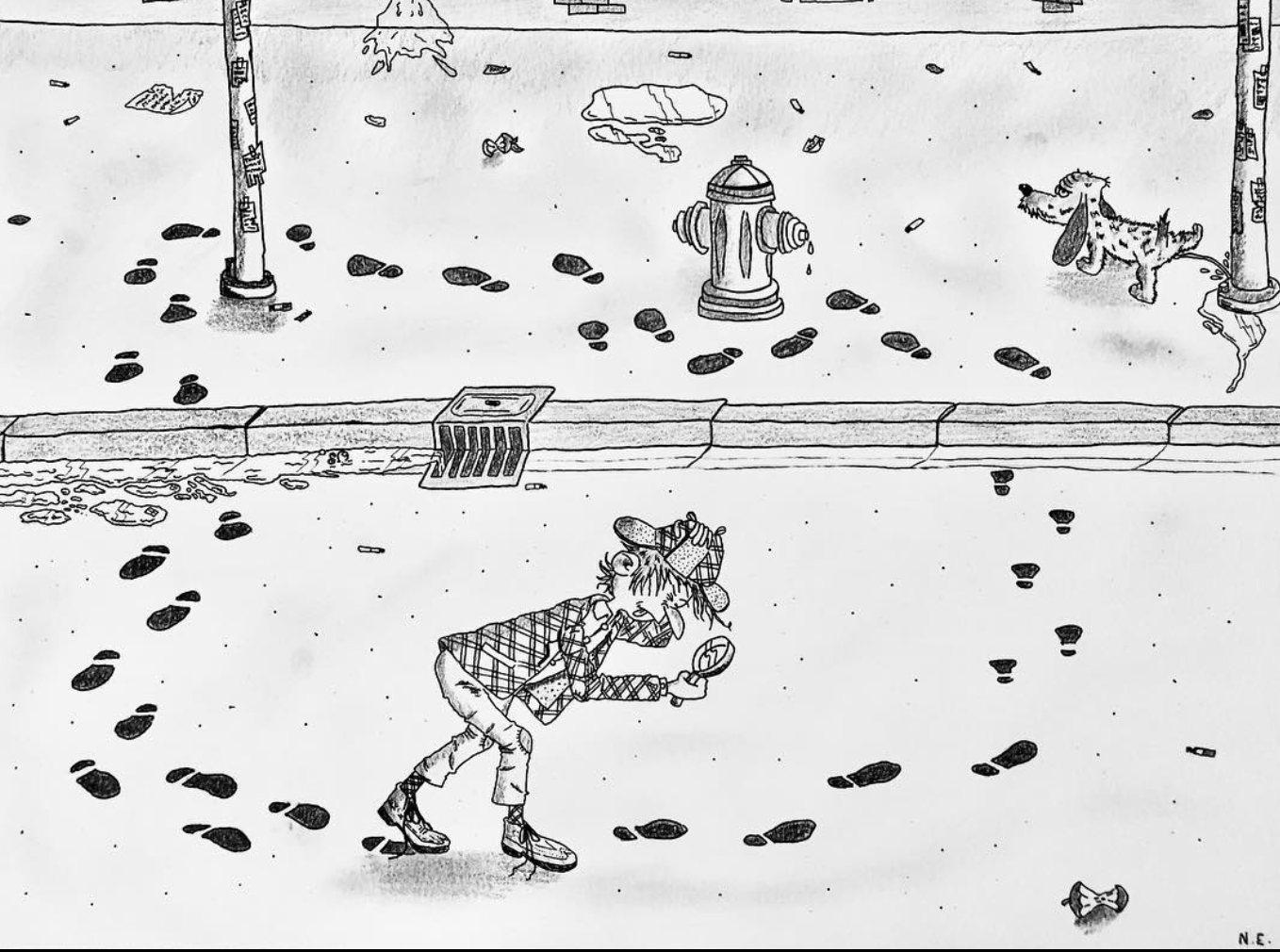
graduate student, I dissected the neuronal pathways for evasive (backward) walking in fruit flies.
In parallel to my scientific work, I love teaching and bringing scientists and
general audiences into conversation. I teach a semester-long course on the social brain to incarcerated
individuals through Columbia University’s Prison Education Project. In 2024, I founded The Lab,
an improvisational comedy show inspired by interviews with scientists that uses comedy to makes neuroscience
accessible to broad audiences.
Curriculum Vitae: Download PDF
Research
Postdoctoral Work
Direction 1 - Neural basis of individual recognition
The brain appears to maintain a repository of the individuals we know. This cognitive archive is believed to interface with
other brain regions to ascribe significance to each individual. The intricacy of this system is underscored by the highly personal
and variable meanings we attach to different individuals. I am interested in fundamental questions about this process: where in the
brain is this repository of social representations? How is meaning imposed on representations of individuals, such that one knows
the nature of the relationship with an individual they have encountered? How is this repository affected by disease? In part of my
postdoctoral work, I use mouse as a model system to address these questions. I record neural activity in the frontal cortex - a
brain region implicated in social cognition - while mice interact with conspecifics, to determine whether representations of
individual identity can be identified in the cortex during social interactions, whether these representations persist as memory,
and whether they serve as a substrate for the imposition of meaning or value on an individual. This research is partly supported
by a Brain and Behavior Research Foundation Young Investigator Grant.
Direction 2 - Neural basis of abstraction and cogntive maps
At the Zuckerman Institute, where I work, the even-numbered floors all follow a similar layout, one that differs from the
odd-numbered floors. When I step onto an unfamiliar even floor, I can still find my way to where the kitchen, meeting
rooms, or restrooms are likely to be, based on my experience navigating another even floor. At the same time, my own
lab on the eighth floor has a unique personal significance: the bench where I run experiments is tied to particular
memories and experiences that an otherwise identical bench elsewhere would not evoke. This contrast highlights an
important feature of cognition - the brain appears to maintain multiple kinds of representations, some that preserve
the details of specific experiences, and others that capture broader structural relationships that allow us to
generalize across settings. My research focuses on understanding how the brain constructs these more abstract
representations of relational structure, enabling behavior to extend beyond directly learned experiences. I am also
interested in whether similar principles govern cognition in other domains, particularly social cognition, where the
brain must simultaneously distinguish individuals and situate them within larger relational frameworks such as social
roles, hierarchies, or group structure. Over the long term, I hope to investigate how neural circuits dynamically
balance the competing demands of generalization and discrimination across contexts.
Graduate Work
My earlier work focused on the neuronal basis of sensorimotor transformations using the fruit fly
as a model system.
Flies, when confronted with a physical barrier or a visual threat, sometimes make a hasty
retreat by walking a few steps backwards and turning away. During my PhD, I dissected the
neuronal pathways for this backward walking retreat. My work focused on a set of neurons, dubbed
the Moonwalker Descending Neurons (MDNs), which
when activated trigger flies to walk backwards. I generated genetic tools that enabled me
to access small neuronal populations in the fly nervous system and manipulate them. Using calcium imaging
and optogenetics to monitor
and manipulate neural circuits, I showed that the MDNs
receive aversive visual and mechanosensory inputs to trigger retreat in aversive environments.
I also characterized critical interneurons within the fly ventral nerve cord downstream
of the MDNs, essential for the execution of backward walking.
Altogether, my graduate research delineates a comprehensive neural circuit, demonstrating how sensory
information from different modalities leads to the activation of a ‘command-like’ neuron, and how this
neuron's activity translates into a coordinated motor response.
Publications
-
Rajyashree Sen, Alexander Medoff, Lorenzo Posani, Larry Abbott, Richard Axel, Stefano Fusi (2026).
“The medial frontal cortex abstracts space onto a flat manifold”. In Preparation.
-
Rajyashree Sen, Alexander Medoff, Molly Rose Graff, Baihe Zhang, Mira Vanchiswar, Larry Abbott, Richard Axel (2026).
“Combined coding of social and spatial information in the mouse dorso-medial prefrontal cortex” In Preparation.
-
Valentine Andreu, Rajyashree Sen, Nour El Houda Mimouni, Eun Ji Lee, Dianne-Lee Ferguson, Alexis Stutzman, Bianca J. Marlin (2025). “Early postpartum development of pup urine preference in mothers” bioRxiv.
DOI: 10.1038/s41467-020-19936-x
-
Kai Feng, Rajyashree Sen, Ryo Minegishi, Michael Dübbert, Till Bockemühl, Ansgar Büschges, Barry J Dickson (2020). “Distributed control of motor circuits for backward walking in Drosophila” Nature Communications.
DOI: 10.1038/s41467-020-19936-x
-
Rajyashree Sen, Kaiyu Wang, Barry J. Dickson (2019). “Twolumps ascending neurons mediate touch-evoked reversal of walking direction in Drosophila” Current Biology 29(24): 4337-4344.e5.
DOI: 10.1016/j.cub.2019.11.004
-
Rajyashree Sen, Ming Wu, Kristin Branson, Alice Robie, Gerald M. Rubin, Barry J. Dickson (2017). “Moonwalker descending neurons mediate visually evoked retreat in Drosophila” Current Biology 27(5): 766-771.
DOI: 10.1016/j.cub.2017.02.008
Teaching
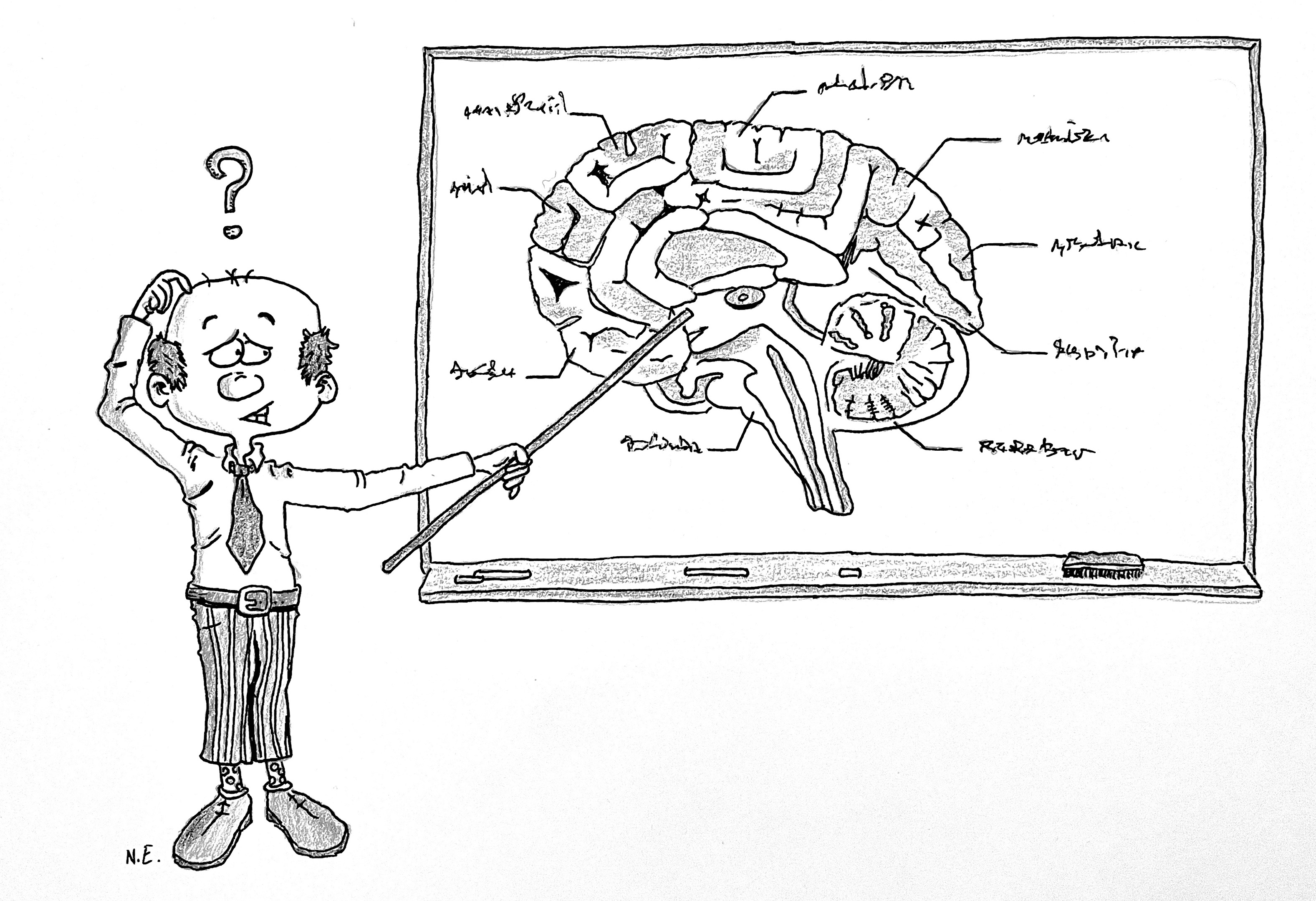
Guest Lecturer: The Parental Brain Seminar at Columbia University - Fall 2023, 2024
I was invited by Dr. Bianca Jones Marlin to serve as a guest lecturer for 'The Parental Brain'
seminar at Columbia University. In this role, I developed a module for the syllabus and
facilitated discussions on scientific papers that explore various aspects of the parental brain.
In my classes, the students collectively examined five crucial questions for each paper: What is the central problem?
What methods were used? What arguments are presented? What are the conclusions? What are the
broader implications? We focused extensively on the implications to understand how each
experiment contributed to and influenced the broader scientific context. My decision to 'invert the classroom'
and emphasize student leadership was driven by the principle that education is not merely about 'telling' and being 'told,' but is instead an active and constructive process.
Lecturer: Columbia University's Prison Education Project - Fall 2024
The Parental Brain at Taconic Women's Prison
Building on the work I initiated in the 'The Parental Brain' seminar at Columbia University,
I extended this curriculum to the Taconic Correctional Facility in Fall 2024, as part of Columbia
University’s Prison Education Project. This semester-long course was carefully adapted to meet the
unique needs of a technology-free environment at a medium-security women’s prison. Notably, the coursework provided through
this program contributes to an associate degree that the inmates are pursuing through Hudson Link,
with Columbia credits counting towards their degree completion. Working alongside
Dr. Bianca Jones Marlin and Dr. Thiago Arzua , we tailored both the syllabus and teaching methods, and
orchestrated a collaborative student project that bridged the academic gap between the Taconic students
and their Columbia peers. For this project, the Taconic students proposed an original research idea, while
the Columbia students were tasked with reviewing primary literature and creating accessible science
presentations based on that idea. This collaboration equipped the Columbia students with real-time feedback
on their science communication skills and literature review techniques, and helped the Taconic students
refine their research proposals and presentation skills. The exchange proved highly beneficial, enhancing
the learning experience for all involved by fostering a dynamic and reciprocal educational dialogue.
Improv Comedy
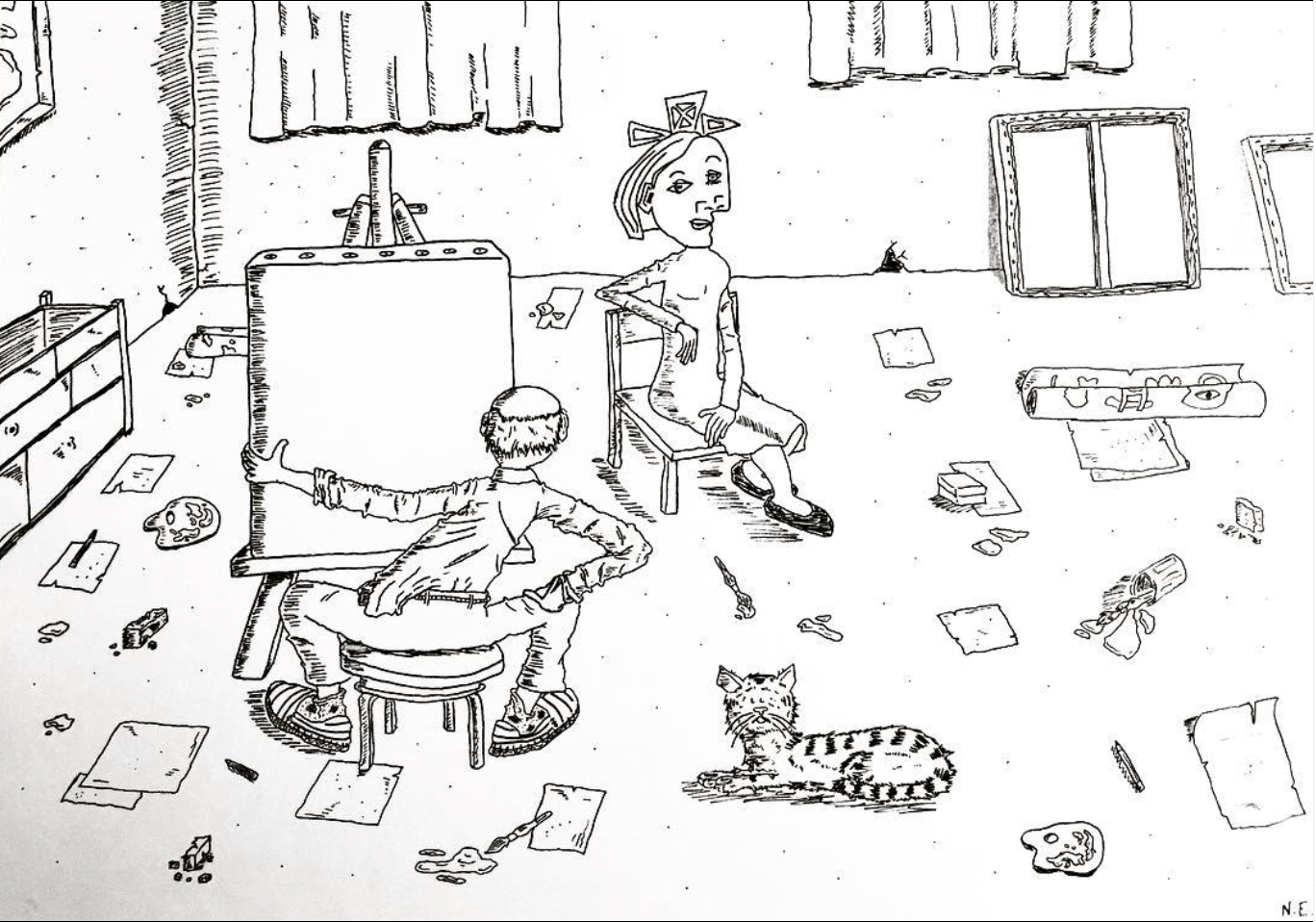
Lessons From Stage to Science
I've been involved in improv comedy for as long as I've been involved in research,
having begun during my first year of my PhD in Vienna, Austria. Since then, I've continued to do improv in every city where I've lived.
Improv comedy has given me skills that make science
communication entertaining, accessible and clear, whether I'm teaching
a class, responding to questions at conferences, or explaining science to the general public.
Keeping your eyes and ears open is vital to being a good improviser - it allows one to catch the
unexpected events and weave them into the narrative. Those lessons have also proved useful for my science;
the ability to see and explore the unexpected has often led me to important insights and interesting places.
My training spans over a decade across historic comedy institutions that have shaped some of the most
influential comedic voices of our time, including the Second City Conservatory, Upright Citizens Brigade, iO Chicago,
Washington Improv Theater, and Magnet Theater. Over the years, I've performed for large audiences as part of several improv teams and festivals,
including house teams at
Washington Improv Theater
, Laugh Index Theater (DC), and
Magnet Theater (New York). Currently, I produce 'The Lab,' an indie improv show inspired by scientist interviews.
The Lab: Bridging Community and Science Through Improv Comedy
A Public Engagement Project
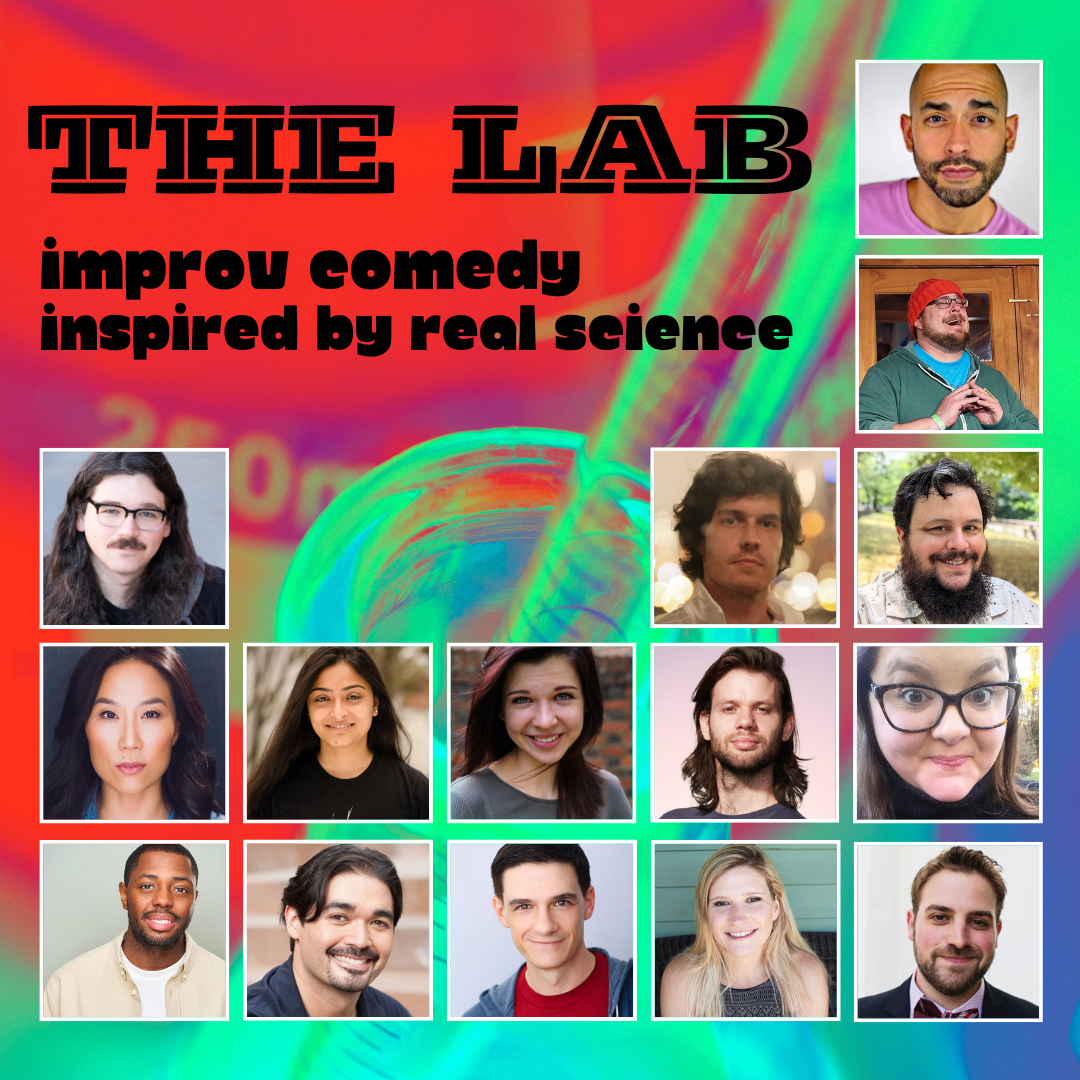
'The Lab' is a monthly improv-comedy show offering science-inspired performances. Each show is driven by an interview
with a neuroscientist, whose life and work inspire the show. I founded the group with funding from Columbia University's Public Engagement Program in 2024,
and further expanded it with a
Civic Engagement Microgrant from Research! America and an Annual Artists Grant from The Puffin Foudation in 2025-2026.
The show was developed in partnership with the artistic community at Magnet Theater in New York City, where I
perform weekly. The mission of this project is to make neuroscience accessible and engaging through
improvisational comedy. Our objectives include humanizing scientists, demystifying neuroscience, and
providing practical advice for young people interested in research, particularly those who don't see themselves reflected in scientific careers.
Go to The Lab's Official Website
Contact
Email
rs3966@columbia.edu
Address
Axel Lab
Zuckerman Institute
Columbia University
3227 Broadway, New York
NY 10027
Elements
Text
This is bold and this is strong. This is italic and this is emphasized.
This is superscript text and this is subscript text.
This is underlined and this is code: for (;;) { ... }. Finally, this is a link.
Heading Level 2
Heading Level 3
Heading Level 4
Heading Level 5
Heading Level 6
Blockquote
Fringilla nisl. Donec accumsan interdum nisi, quis tincidunt felis sagittis eget tempus euismod. Vestibulum ante ipsum primis in faucibus vestibulum. Blandit adipiscing eu felis iaculis volutpat ac adipiscing accumsan faucibus. Vestibulum ante ipsum primis in faucibus lorem ipsum dolor sit amet nullam adipiscing eu felis.
Preformatted
i = 0;

while (!deck.isInOrder()) {
    print 'Iteration ' + i;
    deck.shuffle();
    i++;
}

print 'It took ' + i + ' iterations to sort the deck.';
Lists
Unordered
- Dolor pulvinar etiam.
- Sagittis adipiscing.
- Felis enim feugiat.
Alternate
- Dolor pulvinar etiam.
- Sagittis adipiscing.
- Felis enim feugiat.
Ordered
- Dolor pulvinar etiam.
- Etiam vel felis viverra.
- Felis enim feugiat.
- Dolor pulvinar etiam.
- Etiam vel felis lorem.
- Felis enim et feugiat.
Icons
Actions
Table
Default
| Name |
Description |
Price |
| Item One |
Ante turpis integer aliquet porttitor. |
29.99 |
| Item Two |
Vis ac commodo adipiscing arcu aliquet. |
19.99 |
| Item Three |
Morbi faucibus arcu accumsan lorem. |
29.99 |
| Item Four |
Vitae integer tempus condimentum. |
19.99 |
| Item Five |
Ante turpis integer aliquet porttitor. |
29.99 |
|
100.00 |
Alternate
| Name |
Description |
Price |
| Item One |
Ante turpis integer aliquet porttitor. |
29.99 |
| Item Two |
Vis ac commodo adipiscing arcu aliquet. |
19.99 |
| Item Three |
Morbi faucibus arcu accumsan lorem. |
29.99 |
| Item Four |
Vitae integer tempus condimentum. |
19.99 |
| Item Five |
Ante turpis integer aliquet porttitor. |
29.99 |
|
100.00 |